Parallel Linkage
1. Requirements
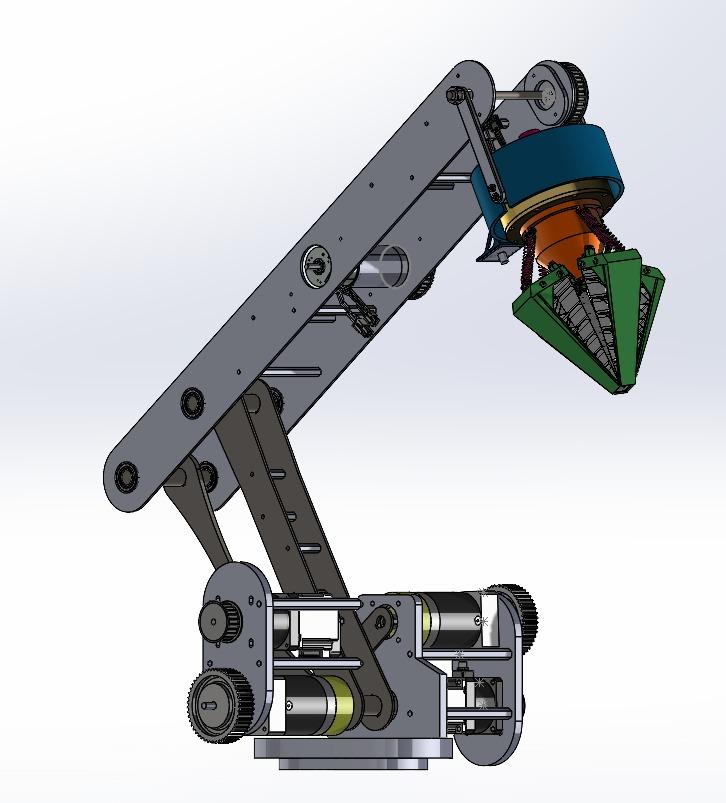
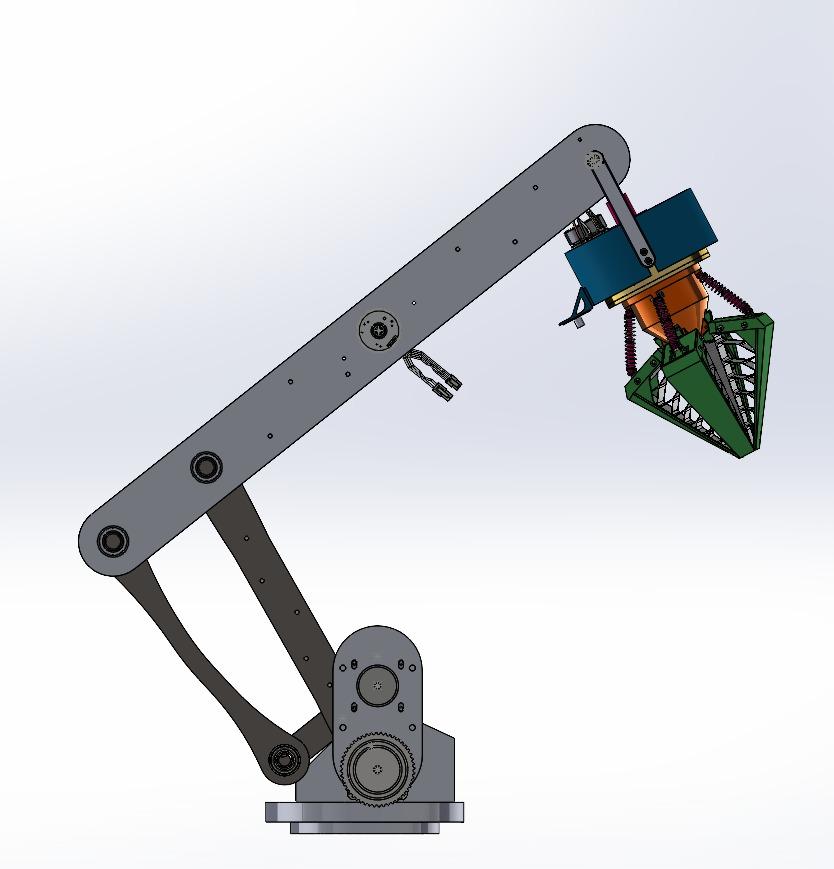
The structure of the robotic arm is the connection point between the rover and the end-manipulator. Hence, it is crucial to aim for a large reach and a lightweight dynamic structure that can support the loaded gripper and allow for precise motion. During the academic year 2025-2026, the aim was to develop Before starting the design phase, a list of requirements was set:
(a) The robotic arm shall reach a distance of around 1 meter when fully extended in any direction.
(b) The robotic arm shall aim for an overall lightweight design (less than 10kg)
(c) The robotic arm shall be easy to mount on the rover (5-10 minutes mounting time)
(d) The robotic arm shall be easy to disassemble (<30 minutes)
(e) The robotic arm shall be easy to assemble (<30 minutes)
(f) The mounting of all actuators shall consider cable management.
(g) Off-the-shelf components are prioritised during design and assembly
(h) The manufacturing of all parts shall be possible within the university infrastructures
2. Concept & Motivation
A parallel linkage was chosen as the structure of the robotic arm for weight reduction purposes. During early design phases, it was observed that the shoulder motor (see Figure 1) would require significantly higher torque requirements to handle the rest of the arm. These high torque requirements are induced by the considerable length of the robotic arm (aiming for a reach of around 1 m) but also because of the weight created by the elbow motor that results in a significant increase in inertia.
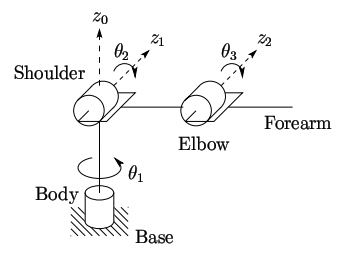
Figure 1: Kinematic diagram of traditional robotic arms and joint names
To address these challenges, we opted to utilise a parallel linkage for the robotic arm's structure.structure (see Figure 2). This structure groups the 2DOF's2DOFs (θ1 and θ2) at the base of the linkage, minimising the inertia of the entire robotic arm. The disadvantages of this structure include a reduced reach, as it is physically challenging to extend the arm fully, but also a less instinctive arm design that might result in control challenges. After evaluating all factors influencing the design (motor selection, design components and manufacturing), it was decided that the parallel linkage remains an interesting trade-off for the whole system and hence was selected as the final concept.
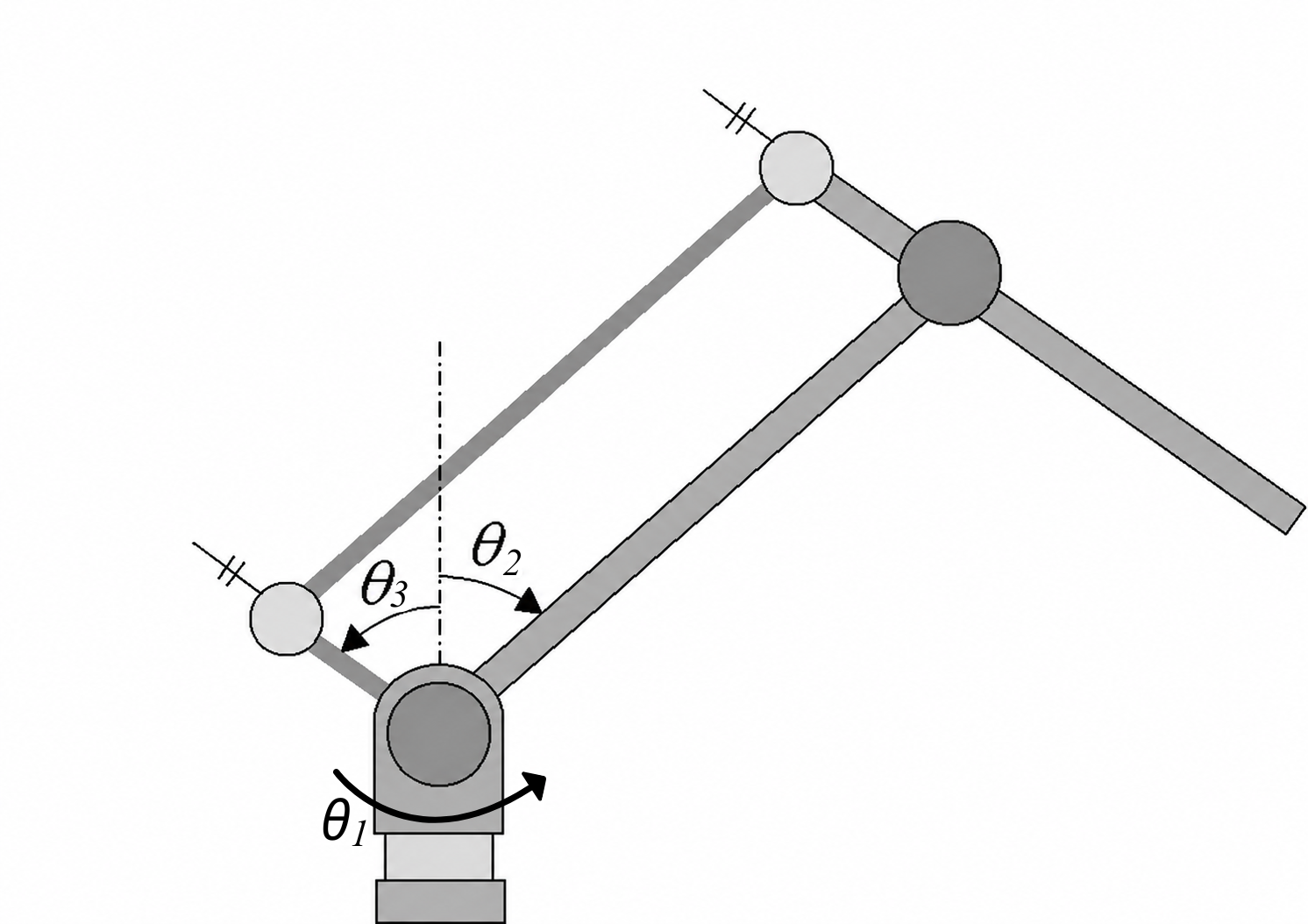 Figure 2: Kinematic diagram of parallel linkage.
3. Design & Materials